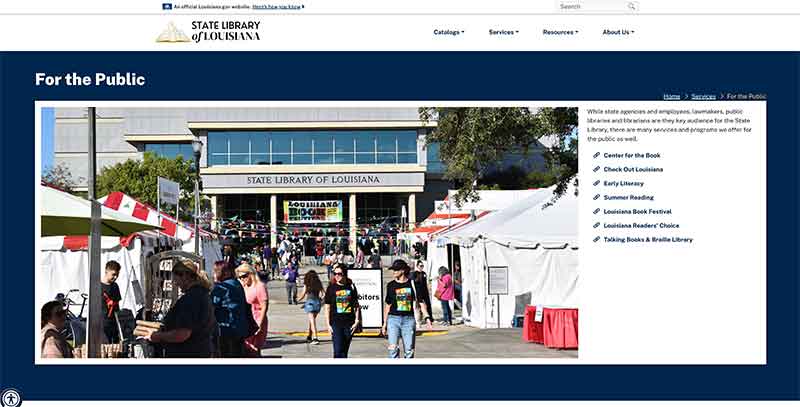
Sun Valley’s Jose Mier looks into French genealogy in the U.S. and specifically that of “Cajun” residents in Louisiana. You can start any research and the Louisiana State Library in Baton Rouge.
Cajun genealogy in the United States offers a uniquely rich and rewarding research experience, rooted in the story of the Acadian people who were expelled from eastern Canada during the Great Expulsion and resettled primarily in Louisiana. Today, millions of Americans with Cajun ancestry can trace their lineage back to a relatively small group of Acadian families, making Cajun genealogy both highly interconnected and deeply documented. Unlike many other genealogical traditions, Cajun research benefits from extensive church records, published family histories, and a strong cultural emphasis on preserving lineage. However, it also presents unique challenges, including name variations, migration patterns, and the blending of Acadian, Creole, and other populations. Understanding the key resources available in the U.S. is essential for anyone seeking to uncover their Cajun heritage.
The Foundation of Cajun Genealogy: Church Records
One of the most important resources for Cajun genealogy in the United States is Catholic church records. Because the majority of Acadian settlers in Louisiana were Roman Catholic, their lives were meticulously documented by local parishes. These records include:
- Baptismal records
- Marriage registers
- Burial records
These documents often date back to the late 1700s and early 1800s, shortly after the arrival of Acadian exiles in Louisiana. They frequently include detailed information such as parents’ names, places of origin, and witnesses—who were often relatives—making them invaluable for reconstructing family trees.
Published compilations of these records, particularly those by Rev. Donald J. Hébert, are considered foundational tools. His Southwest Louisiana Records and South Louisiana Records series are widely regarded as some of the most important genealogical resources for Cajun researchers, providing abstracts of church records that would otherwise require extensive archival work to access.
In addition to published books, many dioceses in Louisiana—such as those in Baton Rouge and Lafayette—maintain archives where researchers can request copies of original records. These diocesan archives continue to be a primary source for verifying genealogical data.
Key Online Databases and Digital Resources
The rise of digital genealogy has significantly expanded access to Cajun ancestry records. Several major online platforms and specialized databases now allow researchers to explore Cajun family histories from anywhere in the United States.
One of the most comprehensive resources is Acadian Genealogy, which hosts extensive family trees and lineage-linked data. This site contains information on hundreds of Acadian surnames and includes data derived from primary sources such as church and civil records. Some databases contain hundreds of thousands of individual records, making them a powerful starting point for research.
Other important online resources include:
- Acadian Memorial, which provides genealogical guides, surname lists, and historical context for Acadian settlers in Louisiana
- Cyndi’s List, which aggregates dozens of Cajun and Acadian genealogy links and research tools
- The Cajuns, offering access to census data, militia records, ship lists, and surname research tools
These platforms allow researchers to cross-reference information, identify patterns, and connect with broader family networks.
Libraries, Archives, and Historical Societies
Physical archives remain a cornerstone of Cajun genealogy research in the United States. Louisiana, in particular, is home to numerous institutions dedicated to preserving Acadian and Cajun history.
University libraries and public archives often house:
- Genealogical journals
- Historical maps
- Land and probate records
- Microfilm collections of church and civil documents
Organizations such as regional genealogical societies publish newsletters and journals that contain transcribed records, family histories, and research tips. Publications like Acadian Genealogy Exchange, N’Oubliez Pas, and Louisiana History provide ongoing scholarship and updates relevant to Cajun ancestry research.
The Southwest Louisiana Genealogical Society and similar groups also play a key role by organizing records, hosting workshops, and supporting researchers at all levels.
Census, Land, and Civil Records
While church records are the backbone of Cajun genealogy, civil records also provide important supplementary information. U.S. federal and state census records, available from the early 19th century onward, help track families over time, showing changes in household composition, occupation, and location.
Land records, including grants and deeds, can reveal how Cajun families settled and expanded across Louisiana. Mortgage records and legal documents may also provide insights into family relationships and economic activity.
These records are especially useful for tracing Cajun families beyond the initial settlement period, as they adapted to life under American governance.
Published Genealogies and Family Histories
Another major strength of Cajun genealogy is the abundance of published family histories. Because many Cajun families descend from a relatively small number of Acadian ancestors, genealogists have been able to compile extensive lineage studies that trace descendants across multiple generations.
Books such as Acadian-Cajun Genealogy: Step by Step by Timothy Hébert provide practical guidance for beginners, outlining research methods and key sources.
Additionally, large compiled databases—some containing hundreds of thousands of records—allow researchers to quickly identify connections between families. These resources can significantly accelerate the research process, though they should always be verified against primary documents.
DNA Testing and Genetic Genealogy
In recent years, DNA testing has become an increasingly valuable tool for Cajun genealogy. Because Cajun populations are relatively well-documented and interconnected, genetic testing can help confirm family connections and identify previously unknown relatives.
DNA testing is particularly useful for:
- Verifying lineage when records are incomplete
- Connecting with distant cousins
- Tracing ancestry back to Acadia and beyond
Many online genealogy platforms integrate DNA results with family tree data, allowing users to combine genetic and documentary evidence in their research.
Unique Challenges in Cajun Genealogy
Despite the abundance of resources, Cajun genealogy presents several challenges that researchers must navigate.
- Name Variations
Acadian and Cajun surnames often appear in multiple forms due to differences in spelling, translation, and phonetic interpretation. For example, a single family name might be recorded differently in French, Spanish, and English documents.
- Migration Patterns
Cajun ancestors often moved between regions, including Canada, France, the Caribbean, and Louisiana. Tracing these movements requires familiarity with international records and historical context.
- Interconnected Families
Because many Cajun families intermarried over generations, genealogical trees can become highly complex, with multiple lines connecting to the same ancestors.
- Misidentification
As noted by researchers, not all French-speaking individuals in Louisiana are of Acadian descent, and distinguishing between Cajun, Creole, and other groups requires careful documentation.
The Role of Community and Collaboration
One of the most distinctive aspects of Cajun genealogy is the strong sense of community among researchers. Online forums, social media groups, and collaborative databases allow individuals to share information, verify findings, and build collective knowledge.
Many genealogists emphasize the importance of collaboration, as shared family trees and community research efforts can uncover connections that might otherwise remain hidden.
A Step-by-Step Approach to Cajun Genealogy
For those beginning their research, a structured approach can help navigate the wealth of available resources:
- Start with known family information (names, dates, locations)
- Consult census and civil records to establish timelines
- Use church records to confirm relationships
- Explore online databases and published genealogies
- Verify findings with primary sources
- Consider DNA testing for additional confirmation
This process helps ensure accuracy while gradually expanding the family tree.
Why Cajun Genealogy Is So Rewarding
Cajun genealogy is particularly rewarding because of the depth and continuity of available records. Many researchers find that they can trace their ancestry back to the original Acadian settlers of Louisiana—and even further to France—within a relatively short time.
The shared history of the Cajun people also adds a powerful emotional dimension to genealogical research. Discovering one’s roots often means reconnecting with a story of resilience, migration, and cultural preservation.
Conclusion: Preserving a Living Heritage
Cajun genealogy in the United States is more than just a research pursuit—it is a way of preserving and understanding a unique cultural heritage. Through church records, online databases, historical societies, and community collaboration, researchers have access to an extraordinary array of resources that make it possible to trace Cajun ancestry with remarkable detail.
From the early Acadian exiles who settled in Louisiana to their modern descendants spread across the United States, the Cajun story continues to unfold. By exploring genealogical resources and uncovering family histories, individuals not only learn about their own past but also contribute to the preservation of a vibrant and enduring cultural legacy.