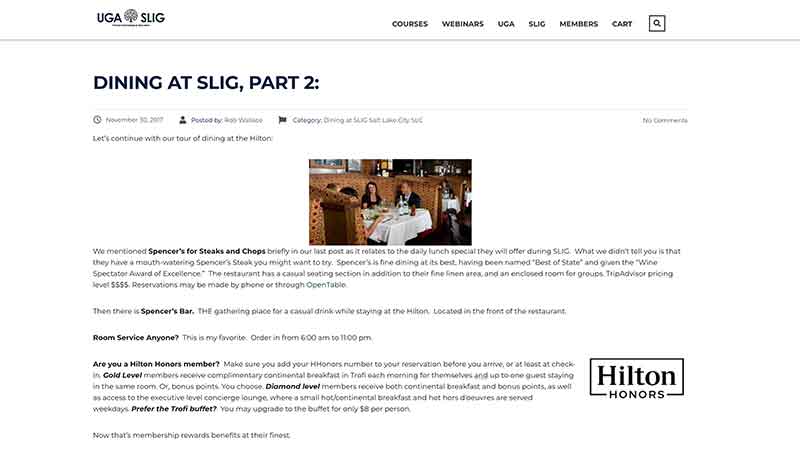
Jose Mier, Sun Valley’s amateur genealogist, wondered where hungry genealogists go when doing research in Salt Lake City, home to many genealogical resources. One is Spencer’s in the Hilton. There are many more, too.
Salt Lake City occupies a unique place in the world of family history research. Home to the FamilySearch Library and deeply connected to the genealogical efforts of The Church of Jesus Christ of Latter-day Saints, the city attracts researchers from around the globe who come to trace ancestors, consult records, and spend long, focused days immersed in documents and databases. Alongside this intellectual work, visitors inevitably need places to eat, rest, and recharge. Fortunately, Salt Lake City offers a dining scene that ranges from historic comfort food to modern international cuisine, making it well suited to the rhythms of genealogical research—long hours, mental concentration, and the occasional need for celebration when a breakthrough occurs.
Dining Near the FamilySearch Library and Temple Square
Most family historians begin their Salt Lake City experience downtown, near Temple Square and the FamilySearch Library. This area is highly walkable and packed with restaurants that cater to visitors who want convenient, satisfying meals between research sessions.
Temple Square Hospitality restaurants, such as The Roof Restaurant and The Garden Restaurant, offer classic Utah dining experiences. These establishments are known for traditional American fare with regional touches, including prime rib, trout, rolls with honey butter, and well-prepared vegetables. While they are more formal and better suited for lunch or dinner breaks, they provide a calm, dignified atmosphere that aligns with the reflective nature of genealogical work. For researchers tracing pioneer ancestors, dining in these historic surroundings can feel like an extension of the research experience itself.
For quicker meals, downtown Salt Lake City offers cafés and casual eateries ideal for short breaks. Sandwich shops, soup counters, and salad-focused restaurants are popular with researchers who want to maximize time in the library without sacrificing nutrition. Many visitors favor meals that are filling but not overly heavy, allowing them to return to microfilm readers or laptops without fatigue.
Utah Comfort Foods for Long Research Days
Family history research is mentally demanding, and many visitors gravitate toward comforting, familiar foods at the end of a long day. Utah is known for several regional comfort dishes that are both filling and culturally significant.
Funeral potatoes, a creamy casserole of shredded potatoes, cheese, and toppings like cornflakes or breadcrumbs, appear on many local menus, particularly in diners and casual restaurants. While simple, they are deeply tied to Utah’s communal traditions and are especially appealing after hours spent concentrating on family lines and historical details.
Another staple is the Utah-style scone, which differs from the British version. These are deep-fried pieces of dough served hot with honey butter or jam. Many family historians encounter scones at local cafés or bakeries and find them an ideal mid-afternoon treat, especially when paired with coffee or herbal tea during a research break.
Fry sauce—typically a blend of ketchup and mayonnaise—is ubiquitous and often served with fries, burgers, or sandwiches. While unassuming, it is a local tradition that visitors often try at least once, adding a small cultural discovery to their genealogical journey.
Breakfast Spots for Early Starts
Genealogists are often early risers, eager to secure a good research station or make the most of limited time in the archives. Salt Lake City offers a strong breakfast and brunch scene, well suited to fueling long mornings of research.
Local diners and cafés serve hearty breakfasts featuring eggs, potatoes, pancakes, and locally inspired twists. A filling breakfast can be especially valuable for researchers planning to spend several uninterrupted hours at the FamilySearch Library. Some visitors prefer traditional American breakfasts, while others seek lighter options such as oatmeal, yogurt, or fresh fruit.
Coffee culture is also an important part of the research routine. While Salt Lake City has historically had a reputation for limited coffee options, the modern city boasts numerous independent coffee shops. These provide quiet spaces to review notes, organize findings, or simply pause before diving back into records. Many family historians find that alternating between the library and nearby cafés helps maintain focus over multiple days of research.
International Cuisine and Diverse Dining Options
One of the surprises for many visitors is the diversity of Salt Lake City’s dining scene. Researchers who spend several days or weeks in the city often appreciate the ability to vary their meals, especially when research becomes intense or emotionally charged.
The city offers excellent Mexican, Vietnamese, Korean, Thai, Middle Eastern, and Ethiopian restaurants, many of which are affordable and casual. International cuisine can be particularly appealing after a long day of archival work, providing bold flavors and a sense of novelty that contrasts with hours spent reading historical documents.
For family historians researching immigrant ancestors, dining in culturally specific restaurants can feel especially meaningful. Enjoying a meal inspired by the cuisine of one’s ancestors—whether Scandinavian, Eastern European, or Asian—can create a deeper emotional connection to the research and provide a welcome reminder that genealogy is ultimately about living people and cultures.
Dining as a Social Extension of Research
Family history research in Salt Lake City is often a communal experience. Researchers frequently meet distant relatives, collaborate with fellow genealogists, or attend workshops and conferences. Meals become natural opportunities to share discoveries, compare notes, and discuss research challenges.
Many downtown restaurants accommodate groups and provide relaxed settings for extended conversations. These meals can be as valuable as time spent in the library, as insights shared over lunch or dinner sometimes lead to breakthroughs that formal research sessions do not.
For solo researchers, dining out also offers a chance to decompress and process emotionally significant findings. Tracing family history can uncover stories of hardship, migration, and loss, and a comforting meal can provide grounding after an intense day.
Budget-Friendly Options for Extended Research Trips
Not all genealogical research trips are short. Some visitors stay in Salt Lake City for weeks or even months, especially retirees or professional genealogists. For these travelers, affordable dining options are essential.
Salt Lake City offers numerous budget-friendly restaurants, including cafeterias, food courts, and family-owned eateries. Grocery stores and bakeries also play a key role. Many researchers choose accommodations with kitchenettes, supplementing restaurant meals with simple breakfasts or dinners prepared from local ingredients.
Local bakeries are especially popular, offering breads, pastries, and desserts that are easy to take back to a hotel room or enjoy during a research break. These small indulgences can make long research trips more enjoyable without significantly increasing costs.
Dining Beyond Downtown
While downtown Salt Lake City is the hub for genealogists, exploring neighborhoods outside the city center can be rewarding, especially for those with rental cars or extended stays. Areas such as Sugar House, the Avenues, and Millcreek feature restaurants with a more local feel and fewer tourists.
These neighborhoods often showcase seasonal, farm-to-table menus and locally owned establishments. Dining in these areas allows family historians to experience everyday Utah life, providing cultural context that complements their archival research.
Some visitors also enjoy exploring historic restaurants that have been operating for decades. These establishments often reflect the changing demographics and tastes of the city, offering another lens through which to understand the lives of ancestors who may have lived or passed through the region.
Celebratory Meals and Research Milestones
Genealogical research is filled with milestones—breaking through a brick wall, locating a long-lost ancestor, or confirming a family story passed down for generations. Many researchers mark these moments with a special meal.
Salt Lake City offers fine dining options suitable for celebration, including steakhouses, modern American restaurants, and chef-driven establishments. Sharing a celebratory dinner with family members or fellow researchers can transform an abstract research achievement into a memorable personal experience.
Even solo researchers often choose a favorite restaurant to celebrate privately, reflecting on their discoveries and planning next steps. These rituals help balance the analytical nature of genealogy with its emotional rewards.
Practical Tips for Researchers Dining in Salt Lake City
Timing meals around research schedules is important. The FamilySearch Library has set hours, and many researchers plan meals to align with opening and closing times. Early lunches or late dinners are common strategies to avoid peak crowds and maximize research time.
Comfort is another consideration. Restaurants with relaxed seating, quiet atmospheres, and friendly service tend to appeal most to genealogists, especially after long days spent sitting and concentrating. Many visitors prioritize places where they can linger without feeling rushed.
Finally, staying hydrated and eating balanced meals is essential. Genealogical research requires sustained focus, and skipping meals or relying solely on quick snacks can lead to fatigue. Salt Lake City’s wide range of dining options makes it easy to maintain both physical and mental energy throughout a research trip.
Conclusion
Dining in Salt Lake City is more than a practical necessity for family historians—it is an integral part of the research experience. From quick café meals near the FamilySearch Library to comforting Utah classics and diverse international cuisine, the city offers food that supports long hours of study, fosters social connection, and provides moments of reflection and celebration.
For those engaged in family history research, where days are spent uncovering names, dates, and stories, meals become anchors in the rhythm of research. They offer nourishment, comfort, and cultural insight, helping transform a trip to Salt Lake City into a well-rounded and memorable journey into the past.