Jose Mier is a name I keep returning to in my family-history research. Living in Sun Valley, California, I spend a surprising amount of time looking backward across the Atlantic, trying to understand the people, places, and decisions that may connect one generation to another. One source I find especially intriguing is the Spanish notarial archive. These records, known as protocolos notariales, can preserve the details of ordinary lives in extraordinary depth.
Most family historians begin with birth, marriage, and death certificates, church registers, census schedules, and immigration documents. Those are essential sources, but they are not the whole story. In Spain, a notary often recorded agreements that touched nearly every important part of a person’s life. A single notarial volume might contain a will, a marriage settlement, a property sale, a loan, a business partnership, or an authorization for a relative to act on someone’s behalf.

What Are Spanish Notarial Protocols?
A notarial protocol is an organized collection of the original deeds and legal instruments prepared by a notary or earlier escribano. Rather than being a single document about one family, a protocol usually gathers many transactions handled by the same official over a period of time. The documents were often arranged chronologically, making the notary’s books a kind of record of the community’s economic and family life.
Spanish notaries served a different role from the one many Americans associate with a notary public today. They prepared and authenticated formal legal instruments. People turned to them to document agreements, protect property interests, arrange inheritances, and establish obligations. As a result, the records can mention people who never appear in a parish register or civil registration entry.
The Family Connections Hidden in a Deed
Imagine that I locate a Mier ancestor in a baptismal register but cannot identify the person’s parents with confidence. A notarial document from the same town might provide the missing connection. A will could name children, a surviving spouse, siblings, grandchildren, and in-laws. A marriage agreement might identify the bride’s parents and describe a dowry or property brought into the marriage. An estate inventory could list heirs and explain how a deceased person’s possessions were divided.
These records are particularly useful when a family used several surnames or when the same given names recur in every generation. A document might identify someone not simply as Juan Mier, but as Juan Mier, son of a named father, husband of a particular woman, resident of a specific village, and owner of a particular house or parcel. That extra context helps distinguish one person from another.
More Than Wills and Inheritances
Wills are an obvious place to start, but I would not stop there. Sales and purchases can identify relatives who acted together. Powers of attorney may show that a son or daughter had moved to another town or overseas. Loans and business agreements can reveal occupations, associates, and economic circumstances. Apprenticeship agreements may identify a young person’s parents and the master with whom the child was placed. Household inventories can even offer a glimpse of everyday life through lists of furniture, tools, clothing, books, livestock, and kitchen equipment.
For a genealogist, witnesses are worth special attention. A neighbor, business partner, or family friend who repeatedly appears beside an ancestor may turn out to be a relative. Witnesses can also help reconstruct a person’s social circle, especially when the direct family records are incomplete.
Where to Find the Records in Spain
For older material, a good starting point is the provincial historical archive, or Archivo Histórico Provincial, serving the area where an ancestor lived. Spain’s archival system is regional and local, so the correct repository depends on the town and historical jurisdiction. Some notarial protocols remain with notarial offices or district archives, while older volumes may have been transferred to a historical archive. The rules and transfer arrangements can vary, so it is wise to check the archive’s own catalog before assuming a particular year is available.
The Spanish Archives Portal, PARES, is another useful discovery tool for records held by state archives. It provides descriptions and digitized images for material that has been processed and made available online, although not every surviving document has been digitized. I would search using the ancestor’s town, the notary’s name if known, and Spanish terms such as protocolo notarial, testamento (will), poder (power of attorney), capitulaciones matrimoniales (marriage agreements), and inventario de bienes (inventory of possessions).
A Practical Research Plan
I would not begin by searching every archive in Spain for the surname Mier. That would be a recipe for frustration. Instead, I would first establish a specific town and an approximate date range from church or civil records. Then I would identify the archive responsible for that locality and ask whether it holds notarial protocols for the relevant years.
If an online catalog provides a notary’s name or volume reference, I would record it carefully. If the catalog is not digitized, I would contact the archive with a concise request in Spanish, including the ancestor’s full name, town, estimated dates, and the type of document sought. Researchers should be prepared for older handwriting, abbreviations, legal terminology, and spelling that differs from modern usage. A paleography guide or help from someone familiar with historical Spanish can make a big difference.
When I find a promising document, I would make a full transcription or a careful abstract, preserving the archive reference, date, notary’s name, and page or folio number. I would also note every person mentioned, not just the ancestor I originally set out to find. A name that seems incidental today may become the key to another branch of the family tomorrow.
Why This Matters to My Search for the Mier Family
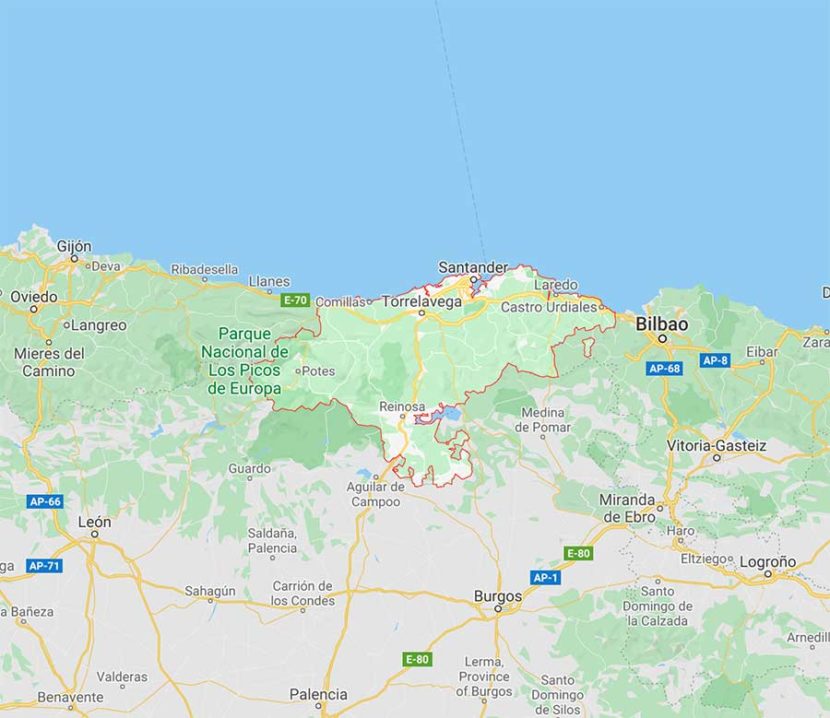
My interest in the Mier name naturally draws me toward northern Spain and the possibility of connections among families who carried that surname. But a shared surname is only a starting point, not proof of kinship. Notarial records offer a way to move beyond name matching and test relationships against dates, places, spouses, parents, property, and associates.
They also remind me that genealogy is about more than assembling a long list of ancestors. A marriage settlement can show how a new household was formed. A business agreement can reveal how someone earned a living. An inventory can tell us what a family valued and what daily life looked like. These small details turn names in a family tree into people who made decisions and faced the same practical concerns we do.
Archival example: The Library of Congress makes an eighteenth-century Spanish notarial document available online and identifies the collection as public domain or free of known copyright restrictions. View the historic notarial record at the Library of Congress.
Learning More About Notarial Records
For a helpful introduction to the kinds of information these documents can contain, I recommend this FamilySearch guide to notarial records. It outlines examples such as marriage contracts, wills, property transactions, apprenticeship agreements, business records, and estate inventories. The examples are useful well beyond Spain because notarial systems also operated in other parts of Europe and Latin America.
I have also included a video about Spanish notarial protocols and the historical treasures preserved in these archives. Seeing an actual volume and hearing how archivists describe its contents helps explain why these sources deserve a place in a genealogist’s toolkit.
For now, I will keep following the clues from Sun Valley, California, toward the towns and archives of Spain. If a Mier ancestor left a will, signed a contract, borrowed money, arranged a marriage, or transferred property, there may be a notarial record waiting to add another piece to the story. That is the appeal of genealogy: the next important discovery may be hiding in a record type I have not yet thought to search.