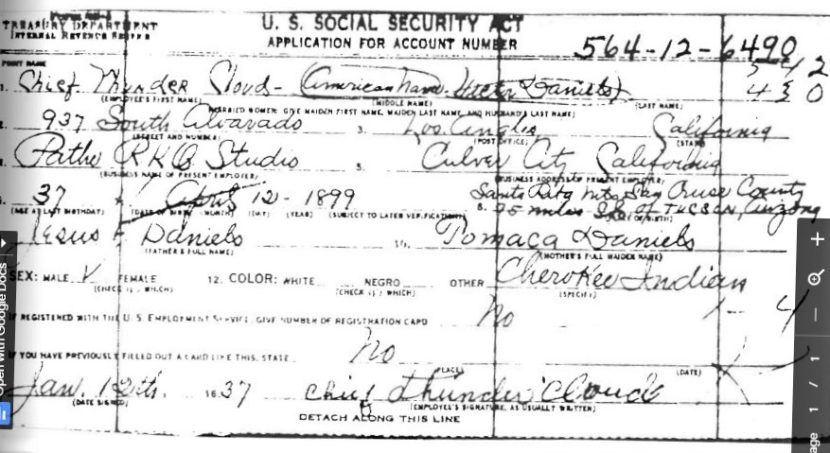
Jose Mier has learned that family history research often rewards the genealogist who looks beyond the records everyone knows. Census schedules, passenger lists, parish registers, and old photographs can all be valuable, but I am particularly interested in records that connect an ancestor’s identity to details about their immediate family. One such resource is the original application for a Social Security number, commonly known as Form SS-5.
For a researcher in Sun Valley, California, tracing a family that lived in the United States during the twentieth century, Social Security records can offer a useful bridge between familiar names and the next generation of evidence. These documents are not a magic solution, and they do not exist for every ancestor. Still, they can provide a fresh direction when a family tree seems to have reached a dead end.
Why Social Security records matter to genealogists
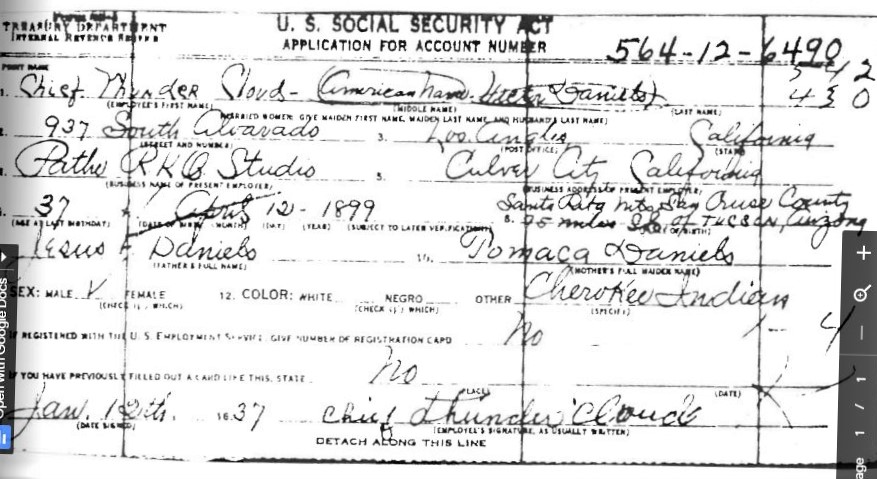
The Social Security Board began issuing numbers in 1936. As the program expanded, millions of Americans applied for a number, creating records that sometimes preserve information supplied directly by the applicant. The original SS-5 application could include the applicant’s full name, date and place of birth, father’s name, mother’s maiden name, and signature. The details can be especially helpful for people born in the late nineteenth or early twentieth centuries whose birth certificates may be difficult to locate.
As I search for other people named Jose Mier, I am reminded that a name by itself is rarely enough to establish identity. A birthplace, a parent’s name, or a date can separate one person from another. Social Security applications can supply exactly those kinds of distinguishing details—though each fact should be checked against other records rather than accepted as conclusive.
Start with indexes, then look for the original
Researchers may encounter several related collections: the Social Security Death Index (SSDI), the Applications and Claims Index, and records derived from the agency’s Numident files. These are not interchangeable. An index entry may provide a date or location that helps identify a person, while an original application or a fuller record extract may offer more context.
When I find a likely match, I write down the source, the exact spelling of the name, and the information that led me to the record. If several people share a name, I compare birth dates, locations, and family relationships before adding the person to my tree. A promising index result is a lead—not proof that I have found the right individual.
What an SS-5 can reveal
The parent information is often the most exciting part for family historians. A mother’s maiden name may point toward a maternal family that was previously hidden from the research. A father’s full name can help connect an applicant to a census household, a marriage record, or a local birth register. The birthplace may identify a county, state, or country that changes the direction of the search.
Even the applicant’s signature can be meaningful. Comparing a signature with other documents may help distinguish between people with similar names. The application can also provide a snapshot of how an ancestor identified themselves when they entered the Social Security system. As with any historical record, however, spelling, memory, and clerical transcription may introduce errors.
Requesting records and understanding limitations
The Social Security Administration provides instructions for requesting a deceased person’s original SS-5 or a computer extract. Requests can be made online through the agency’s FOIA Public Access Link or by mail using the appropriate form. There is a fee, and the agency may require evidence of death before releasing certain information, including parents’ names. Rules and prices can change, so I check the official instructions before submitting a request.
There are important limits. The SSA did not begin keeping these records until November 1936, so they cannot help with ancestors who lived and died before the system began. Some Numident extracts are abbreviated and may omit parental names or birthplace. The available archival files also do not contain every application. A missing entry does not mean an ancestor never existed or that the family story is wrong.
Privacy matters, too. These are records containing sensitive identifying details. I focus on deceased relatives and use the agency’s lawful request process. I avoid publishing Social Security numbers or private information about living people in a family-history article or online tree.
Connect the clue to other records
The best genealogy work is cumulative. If an SS-5 names a mother before marriage, I can search marriage registers, census records, local newspapers, and church books for that surname. If the applicant lists a birthplace in another country, I can explore immigration and naturalization records or records from the relevant community. If the application identifies a father, I can look for a household in which the names and ages align.
I also keep a research log with the question I am trying to answer, the databases checked, and the result—even when it is negative. This prevents me from repeating searches and makes it easier to explain why I believe two records refer to the same person. A source citation should include the record collection, person, date accessed, and the repository or agency.
A practical resource for the namesake hunt
For my ongoing search for people who share the Jose Mier name, Social Security records can help sort out twentieth-century identities when a candidate’s family details are available. I might begin with an index, compare the birth information with other sources, and then consider requesting an original application if the person is deceased and the record is eligible for release. I never assume that a namesake is a relative simply because the name matches.
The Social Security Administration’s own guidance is the place to confirm request procedures and current requirements. Its page on obtaining a deceased person’s SS-5 or Numident record is available here: SSA instructions for requesting deceased-person records.
Patience is part of the discovery
Genealogy is often a process of assembling small, reliable clues. A Social Security application may reveal a parent’s name or a birthplace that opens an entirely new branch of the family tree. It may also confirm information I already have—or turn out to be incomplete. Either way, the record becomes useful when I evaluate it alongside other evidence.
From my home in Sun Valley, I continue to follow the trails left by people named Jose Mier and by the families connected to them. The original SS-5 is one more tool in that search: a modest form, created for a practical government purpose, that can now help descendants understand where their family story began.
jose-mier.com — https://jose-mier.com