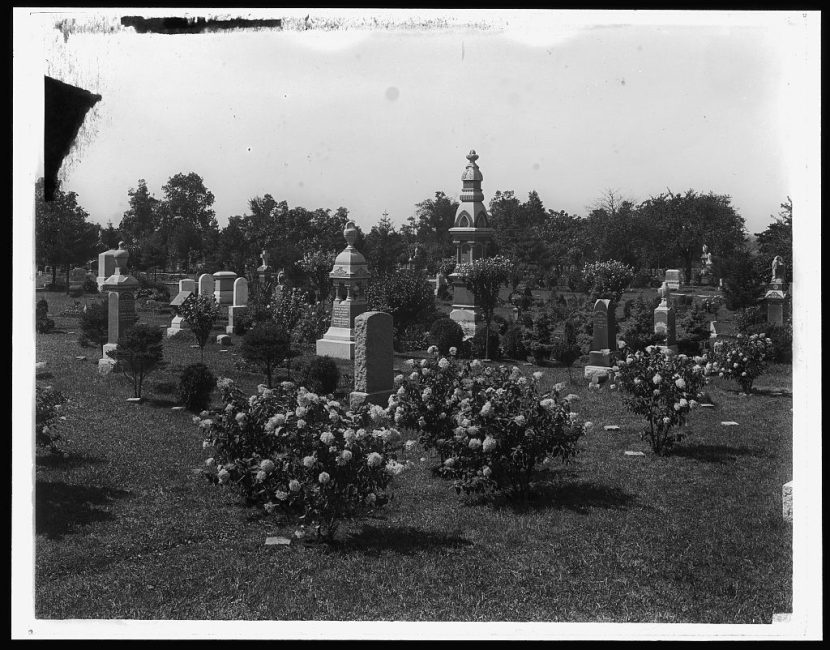
Jose Mier here in Sun Valley, California. My genealogical curiosity usually sends me looking for names in documents, but one of the most revealing places to follow a family story is a cemetery. A headstone may look like a final record, yet it can be the beginning of a much larger investigation: a spouse’s name, a maiden surname, a military emblem, or the names of relatives buried nearby can open up entirely new research paths.
Why a cemetery is more than a final resting place
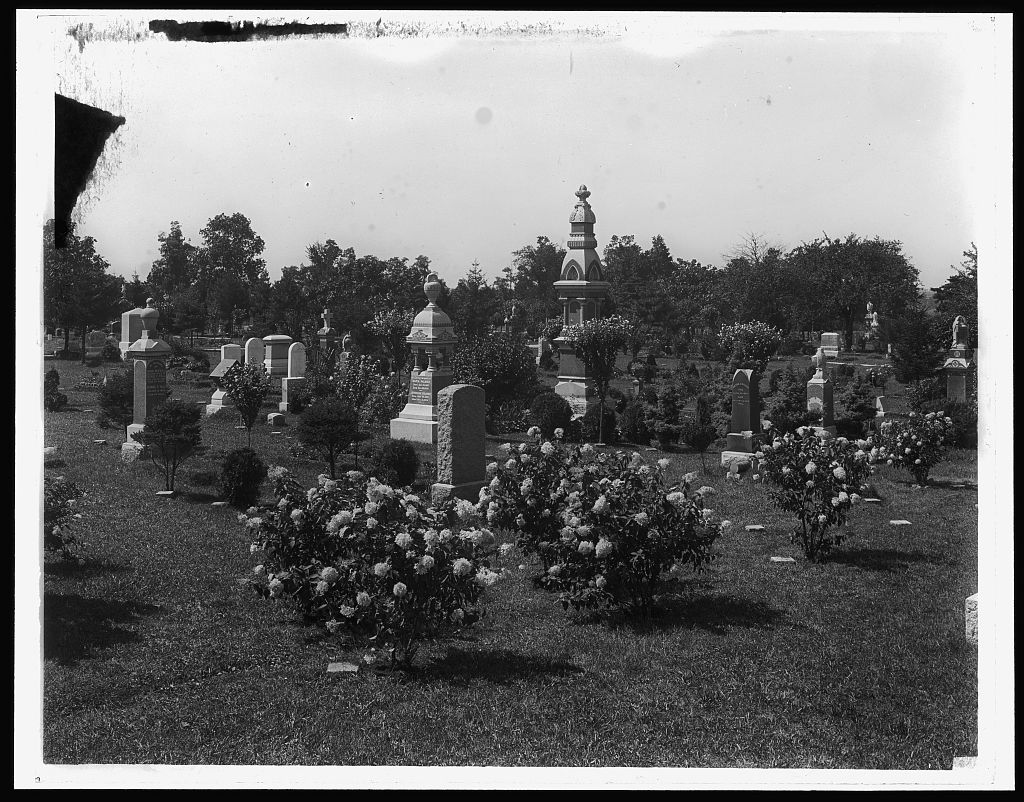
For family historians, cemeteries are outdoor archives. A grave marker may supply a birth and death date, but the surrounding evidence can be just as useful. Family members are sometimes buried in neighboring plots, and those relationships may not be obvious in census records or online family trees. A shared surname, matching dates, or a family plot can suggest a connection worth investigating.
I try to treat every clue as a lead rather than a conclusion. A headstone inscription can contain errors, and dates may have been supplied by relatives years after the event. The strongest family history comes from comparing cemetery evidence with death certificates, obituaries, church registers, probate files, and other independent records.
Start with the name, then widen the search
When I research a person, I begin with the exact name shown on the marker. Then I search for spelling variants, initials, nicknames, and—in the case of Spanish-language families—both surnames when they appear in records. A person might be indexed under a middle name or a shortened first name. Accents and transcription mistakes can also hide a useful result.
Online cemetery databases are convenient, but they are not complete inventories of every burial ground. I search by town and county as well as by cemetery name, and I check whether a cemetery was renamed, relocated, or absorbed into a larger burial ground. Local libraries, historical societies, church offices, and cemetery sextons may hold burial registers or plot maps that never made it online.
Look beyond the inscription
The headstone is only one source. Cemetery offices may preserve interment cards, lot purchase records, plot maps, and registers listing the person who arranged the burial. These documents can identify relatives who paid for a plot or show that several family members were buried together.
Obituaries are especially useful because they may list surviving relatives, a former hometown, a church, or the funeral home. Once I have a likely burial location, I search local newspapers around the death date and compare the names with census schedules and civil vital records. A small detail—such as a daughter’s married surname—can lead to another branch of the family.
Symbols, inscriptions, and cultural context
Gravestone symbols can offer context, but they should be interpreted carefully. A military emblem may point toward service records; a fraternal symbol may suggest membership in an organization with its own archives. Religious imagery, inscriptions, and the language used on a marker can suggest cultural or community ties. None of these clues proves ancestry on its own, but each can guide the next search.
In families that migrated across borders, a marker may preserve a birthplace or a name written in a different language. That clue can help identify the right parish, municipality, or civil registry abroad. I record the exact wording and photograph the whole marker as well as close-ups, since context and neighboring stones can matter.
Build a careful cemetery research workflow
- Write down the full inscription, including abbreviations, symbols, and punctuation.
- Photograph the marker and nearby family graves, where permitted.
- Record the cemetery name, town, county, section, and plot if known.
- Search cemetery databases and then contact the cemetery office or local archive.
- Compare the information with obituaries, death certificates, church records, and census records.
- Keep a research note showing where each fact came from and how confident you are in the conclusion.
The Library of Congress’s genealogy research guide also recommends visiting cemeteries when possible and checking burial records with cemetery offices or boards. Its guidance is a useful reminder that online entries can be incomplete and that local sources still matter.
When you cannot visit in person
Living in Sun Valley, I can’t personally visit every cemetery that appears in my research. Digital photographs, cemetery maps, volunteer transcription projects, and archive catalogs make it possible to investigate from a distance. I still try to identify the original record behind a database entry and note whether the information came from a photograph, a transcription, or a contributor’s family tree.
For a practical introduction, this video from OCLC explains how cemetery records can help with family history research.
Every grave can point to another record
My favorite part of genealogy is the moment when a name stops being an isolated entry and becomes part of a family network. A cemetery visit—or a careful search through cemetery records—can reveal relationships, guide you toward an obituary, or point to a town you had never considered. The trick is to follow the clues patiently, verify each step, and remain willing to revise an early theory when better evidence appears.
That is how I approach my ongoing search for family connections from Sun Valley: one name, one source, and one carefully checked clue at a time.